Published on
- 2 min
What is "Little E-Donkey"? Decoding Chinese Favorite Ride
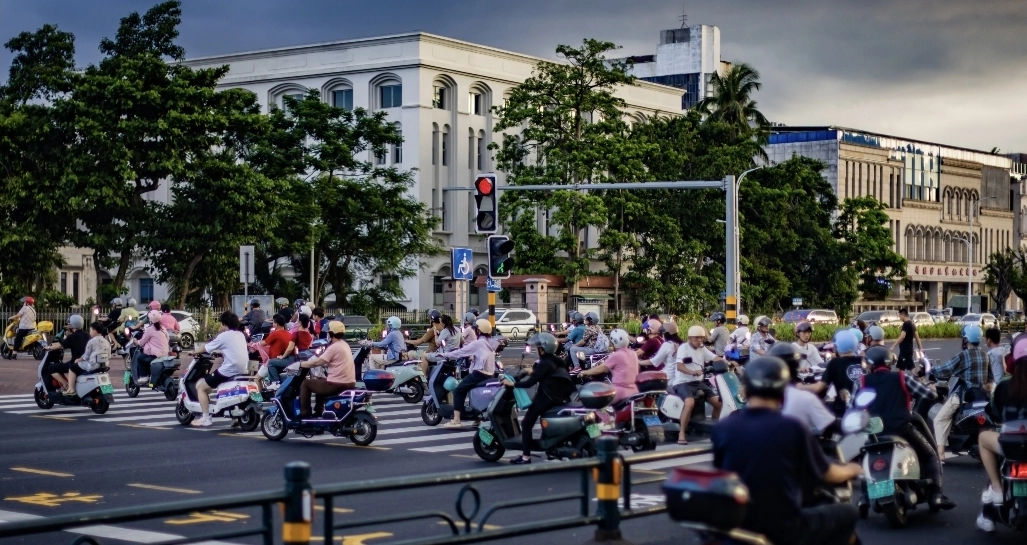
Ever heard of a “Little Electric Donkey”? It’s actually a cute nickname for China’s ubiquitous two-wheel electric scooters. In a country with thousands of years of farming history, donkeys were the ultimate workhorses—reliable, tough, and essential for hauling heavy loads or getting around. But as times and tech have evolved, real donkeys have mostly retired from the daily grind. Stepping up to take their place? Our modern, battery-powered “Little Electric Donkey.”
Just to give you a sense of scale: there’s roughly one of these for every four people in China. Basically, every household has one! I’ve got an Aima myself, and honestly, I ride it around the city way more often than my Tesla. It is just so incredibly convenient.
Not Your Average E-Bike
Don’t confuse these with the pedal-assist e-bikes you might be used to back home, which are more about getting a workout. A “Little Electric Donkey” is much closer to a gas-powered scooter, both in looks and function. You just hop on, twist the throttle, and go. They’re built for easy commuting and are super affordable. Best of all, even in China’s incredibly dense cities, parking is never a headache.
And they’re getting smarter and safer by the day. Features like phone unlocking, digital key sharing, GPS tracking, traction control, regenerative braking, hill descent control, and even voice commands are becoming standard. Personally, I’m obsessed with the phone unlock feature—it means I never have to stress about forgetting my keys again.
Who’s Making Them?
The big players in the Chinese market are Aima, Ninebot, Tailg, Yadea, and Luyuan. Each brand brings its own flavor to the table, giving buyers a massive variety of choices when it comes to style, performance, specs, and price.

Just looking at them, you can instantly tell they all have their own vibe. Some are sleek and fashionable, others have a cute bear aesthetic or look like a Minion. Then you’ve got the tech-heavy ones, the understated everyday commuters, and the sporty performance models. You really have to admire the creativity of the designers and engineers behind them.